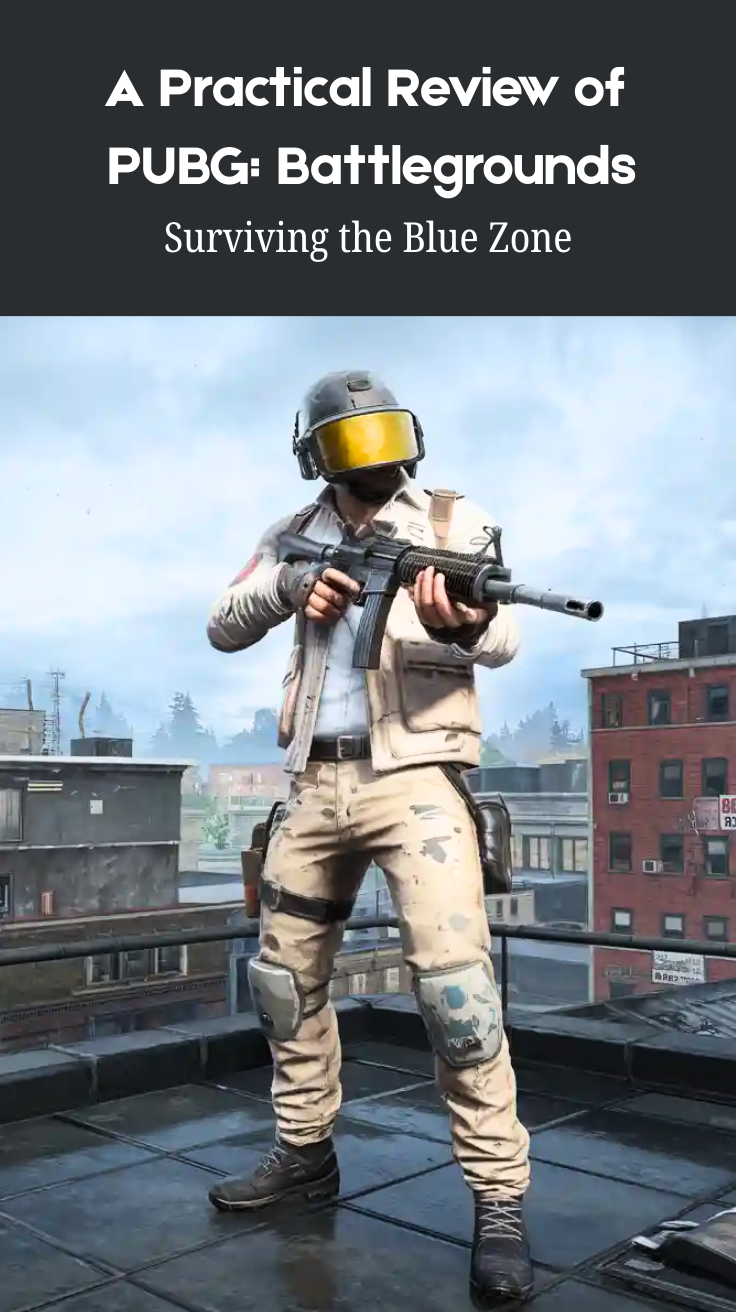
PUBG: Battlegrounds is the game that turned battle royale from a niche idea into a mainstream genre.
When it launched, it introduced a grounded, high-stakes formula built around survival rather than spectacle.
One hundred players are dropped onto a massive map with nothing but their instincts, and only one person or team walks away.
The appeal was immediate because it felt unpredictable yet fair. Every match told a different story shaped by loot luck, player decisions, and moment-to-moment tension.
PUBG didn’t rely on flashy abilities or cartoonish visuals. Instead, it leaned into realism, consequence, and pressure, which made every encounter feel meaningful and every mistake costly.
If you haven’t heard enough about the game, but like to explore before trying your hand at it, stay right here. We’ll do a thorough review of every aspect of the game to find out if it has the substance, or just outright hype.
How does the core gameplay loop keep players engaged?
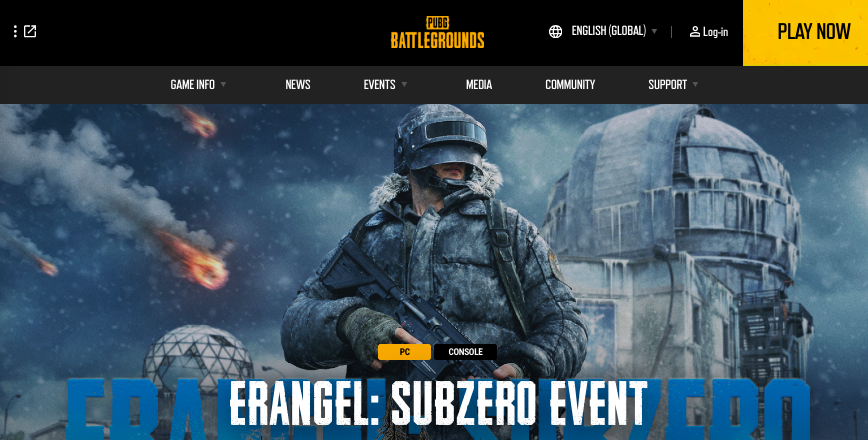
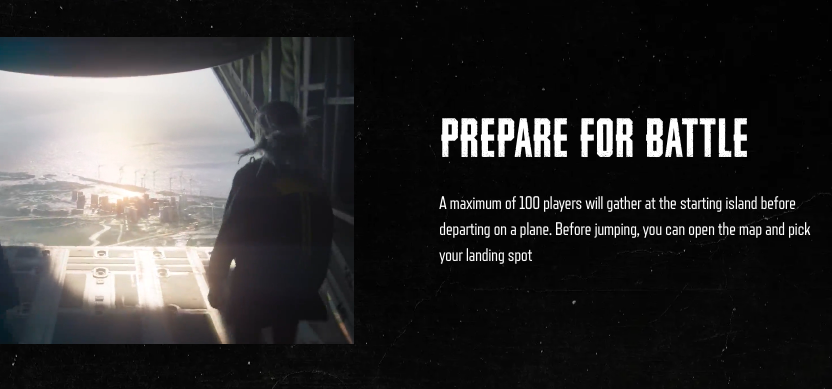
Each match begins with a strategic decision before you even touch the ground.
Choosing where to land determines your early-game risk, access to loot, and chances of survival.
From there, the loop becomes a careful balance of looting, positioning, scouting, and combat. The shrinking safe zone constantly nudges players toward conflict, preventing passive play without forcing nonstop action.
Quiet stretches build suspense, while sudden gunfights release it in sharp bursts. PUBG excels at making players think before acting, whether it’s deciding to third-party a fight or hold a strong position and let others make mistakes.
The loop remains engaging because it rewards patience, awareness, and smart decision-making over pure aggression.
How varied and meaningful are the maps and environments?
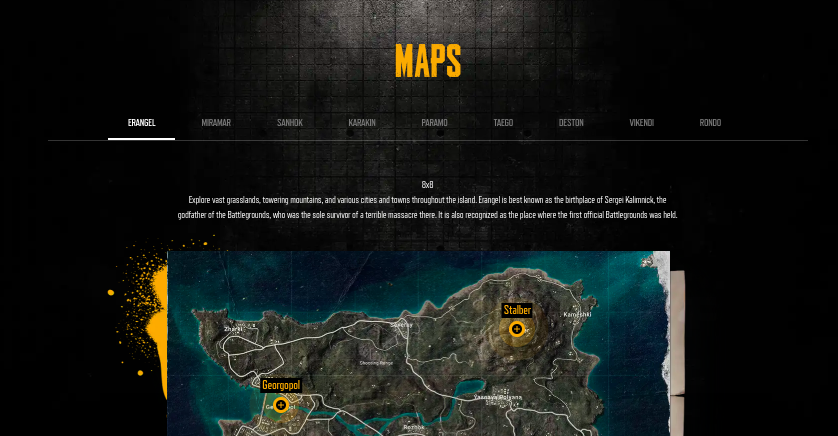
PUBG’s maps are designed to support very different playstyles, which keeps the experience from becoming repetitive.
Larger maps encourage long rotations, vehicle usage, and long-range engagements, while smaller maps compress action and increase encounter frequency.
Terrain plays a critical role, with hills, buildings, trees, and elevation often deciding the outcome of fights. Urban areas promote close-quarters combat and ambushes, while open fields punish careless movement.
Weather effects, time-of-day variations, and environmental design add subtle variety without disrupting balance.
The maps feel lived-in rather than artificial, reinforcing PUBG’s grounded tone and tactical identity.
How do the game modes shape the overall experience?
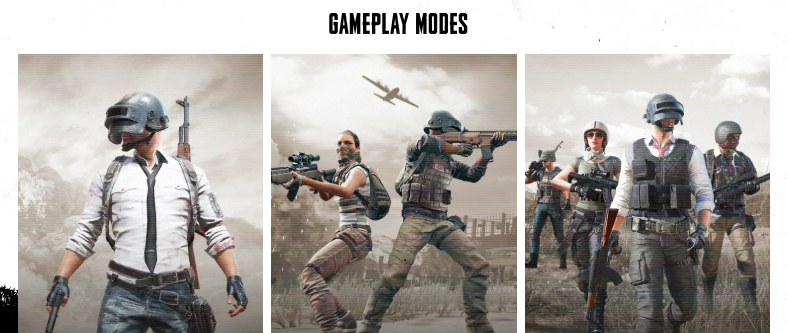
PUBG supports solo, duo, and squad play, each offering a distinct rhythm. Solos emphasize stealth, positioning, and self-reliance, where one wrong move can end a run instantly.
Duos introduce coordination without overwhelming complexity, making them ideal for tactical pairs. Squads are the most dynamic, demanding communication, role assignment, and revive management.
Limited-time modes and special rule sets occasionally appear to refresh the experience, but the core modes remain the backbone.
The flexibility in how you play allows PUBG to cater to lone wolves and team-focused players alike without compromising its core design.
How does the gunplay separate PUBG from other shooters?
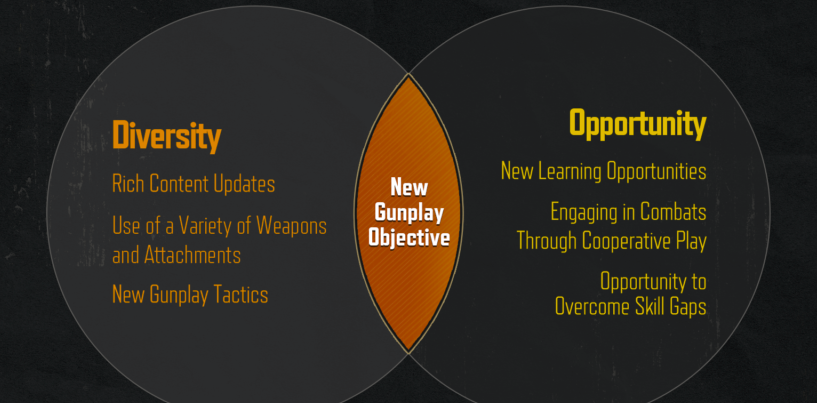
Gunplay is PUBG’s defining feature and remains one of its strongest elements. Weapons feel weighty and deliberate, with recoil patterns that must be learned and respected.
Attachments matter, not as stat boosters but as tools that slightly tame otherwise unwieldy firearms.
Bullet drop, travel time, and sound design create a sense of realism that rewards skill and experience.
Winning a gunfight often comes down to positioning and control rather than reaction speed alone. T
his makes combat feel earned and punishing in equal measure. PUBG doesn’t hand out victories easily, and that difficulty is a big part of its long-term appeal.
How does movement and pacing affect match outcomes?
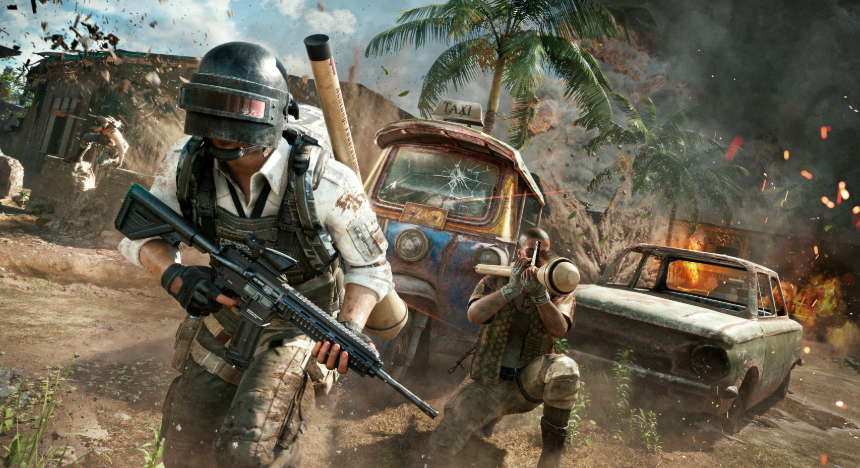
Movement in PUBG is intentionally grounded and restrained. There are no exaggerated slides or rapid mobility tricks to bail players out of bad decisions.
Sprinting across open terrain without cover is dangerous, and repositioning mid-fight requires planning.
Vehicles become strategic tools rather than simple transport, introducing noise, risk, and tactical tradeoffs.
The pacing fluctuates naturally based on player choices and circle placement, which keeps matches feeling organic rather than scripted.
The slower, methodical approach gives weight to every action and reinforces the game’s survival-first philosophy.
How stable and optimized is the technical performance today?

PUBG’s technical performance has improved significantly since its early days, though it still isn’t perfect.
On modern systems, the game generally runs smoothly with stable frame rates, but occasional stutters and server inconsistencies can still occur.
Hit registration and desync issues have been reduced but not entirely eliminated. The developers continue to push updates focused on performance, bug fixes, and anti-cheat measures.
While technical hiccups can occasionally disrupt immersion, they no longer define the experience.
PUBG today feels far more stable and reliable than its reputation from earlier years suggests.
How fair is the progression and monetization system?
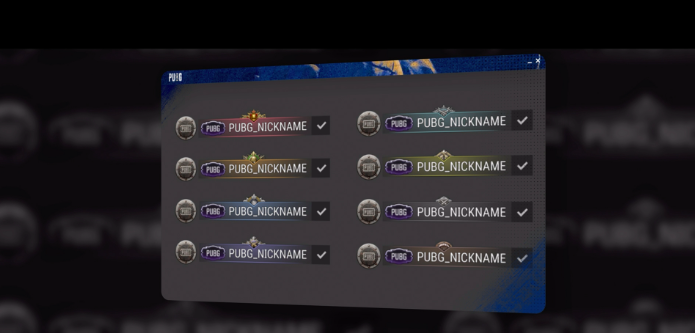
Progression in PUBG centers on cosmetics, seasonal passes, and visual customization rather than gameplay advantages.
Skins, outfits, and emotes allow players to personalize their characters without affecting combat balance.
Paid content exists, but it does not translate into stronger weapons or faster progression in matches.
The main criticism lies in the sheer volume of cosmetic options and the pressure to engage with battle passes.
Still, competitive integrity remains intact, and success in PUBG is determined by skill and decision-making, not spending.
How welcoming is PUBG for new and returning players?
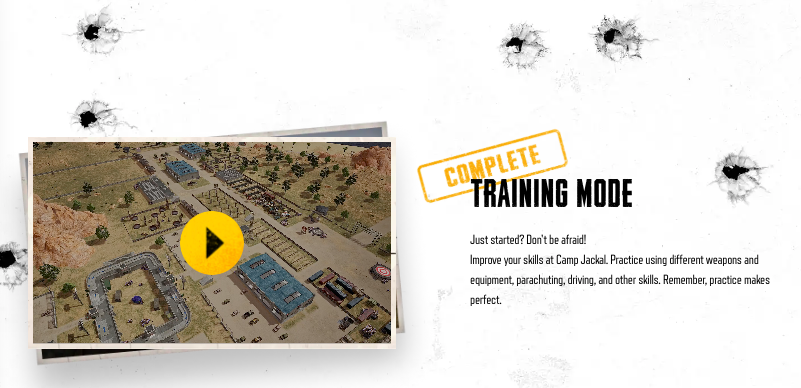
PUBG can be intimidating for newcomers due to its unforgiving nature and experienced player base.
Early matches often feel brutal, with deaths coming quickly and without warning. However, the fundamentals are easy to understand, and improvement comes steadily with practice.
Tutorials, training modes, and casual playlists help ease players into the mechanics.
Returning players will find that the core gameplay remains familiar, with quality-of-life improvements smoothing out rough edges.
The learning curve is steep, but the sense of progression and improvement is genuinely rewarding.
How strong is the competitive and esports side of the game?
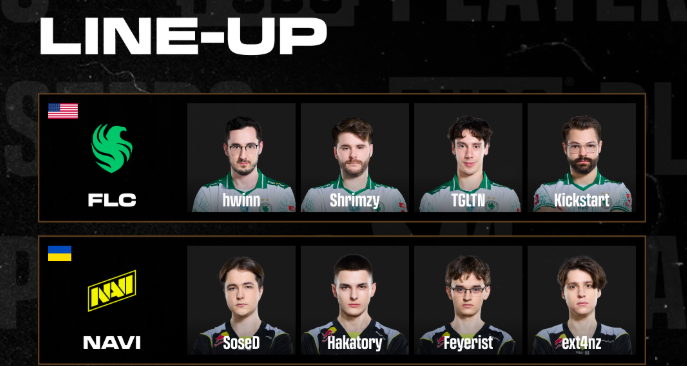
PUBG’s competitive scene remains active, though it no longer dominates the esports conversation as it once did.
Organized tournaments showcase high-level play where rotations, positioning, and team coordination are more important than flashy eliminations.
The unpredictability of battle royale matches keeps competitions tense but can make consistent dominance difficult.
For spectators, this creates dramatic moments where anything can happen, but it also challenges long-term narrative building.
Even so, PUBG’s competitive matches highlight the depth of its systems and the skill required to perform at the highest level.
How does the community impact the overall experience?
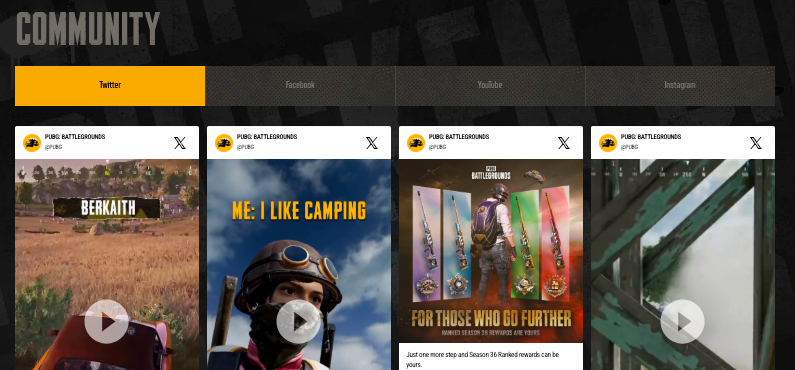
The PUBG community reflects the game itself: intense, passionate, and occasionally rough around the edges.
Many players are highly skilled and serious about improvement, which elevates match quality but can also increase frustration.
Toxic behavior and cheating still exist, though active moderation and anti-cheat efforts help keep things manageable.
Playing with friends or regular teammates significantly improves the experience, turning tense matches into shared stories.
Community-created content, streams, and clips continue to fuel the game’s presence years after launch.
What practical strategies help players improve faster?
Improvement in PUBG starts with understanding positioning and sound.
- Learning when to move with the circle, when to hold ground, and when to disengage is more important than chasing kills.
- Mastering a small selection of weapons builds confidence and consistency.
- Using cover effectively and avoiding unnecessary exposure dramatically increases survival time.
- Squad players benefit most from communication and role clarity, while solo players should prioritize information and patience.
PUBG rewards discipline more than bravado.
Is PUBG: Battlegrounds still any good today?
PUBG: Battlegrounds is still a strong and distinctive battle royale experience.
While it no longer feels revolutionary, its core strengths remain intact: tense matches, rewarding gunplay, and meaningful player choice.
The game has matured, improved technically, and stayed true to its original vision. It may not appeal to everyone, especially those looking for constant spectacle or ultra-fast pacing.
But for players who enjoy grounded combat and high-stakes survival, PUBG continues to deliver.
It is still good, still challenging, and still capable of producing moments few other games can match.
Enjoyed the post?