You want news you can trust. Not spin or rage-bait or half-checked viral clips. Just facts that hold up when you double-check them. Finding the most reliable news sources today takes work because misinformation moves fast. So I put together this list of the most trusted and unbiased news sources to help you cut through the noise.
I picked these outlets based on four things:
- Consistent fact-checking
- Transparent corrections
- Ownership that does not push a political agenda
- How often journalists and researchers cite them
You will see wire services and global agencies, public broadcasters and non-profit news organizations, plus analytical magazines and long-form journalism. I also used media bias charts and reliability ratings from groups like Ad Fontes Media and AllSides to cross-check.
Use this guide to build your own list of unbiased news sources to follow. Bookmark a few, mix international and national, and you will get a clearer picture of what is actually happening.
Quick Comparison: 12 Most Reliable News Sources
|
Source |
Type |
Bias / Reliability Rating* |
Free Access |
Best For |
|---|---|---|---|---|
|
Reuters |
Wire service |
Center, High Reliability |
Yes, with registration limit |
Breaking news, markets, global facts |
|
Associated Press (AP) |
Wire service, Non-profit |
Center, High Reliability |
Yes for AP News |
Fast, no-frills politics, disasters, sports |
|
BBC News / BBC World |
Public broadcaster |
Center, High Reliability |
Yes outside UK |
International coverage beyond U.S. |
|
PBS NewsHour + NPR |
Public broadcasting |
Center, High Reliability |
Yes, donation-based for extras |
Deep interviews, U.S. policy explainers |
|
The New York Times |
National newspaper |
Leans Left, High Reliability |
Limited, paywall |
Investigations, U.S. politics, culture |
|
The Wall Street Journal |
Business newspaper |
Center for news, High Reliability |
No, subscription required |
Markets, tech, econ policy |
|
The Economist |
Weekly magazine |
Center, High Reliability |
No, subscription required |
World affairs, trends, economics |
|
The Guardian |
International newspaper |
Leans Left, High Reliability |
Yes, reader-funded |
Climate, human rights, live blogs |
|
Al Jazeera |
International broadcaster |
Center to Leans Left, High |
Yes, no paywall |
Middle East, Africa, Asia, Global South |
|
Bloomberg |
Financial news agency |
Center, High Reliability |
Limited free articles |
Business data, markets, tech |
|
The Washington Post |
National newspaper |
Leans Left, High Reliability |
Limited, paywall |
Investigative reporting, federal govt |
|
Foreign Affairs Magazine |
Analytical journal |
Center, High Reliability |
No, subscription required |
Geopolitics, security, expert debate |
How Do You Know a Source Is Reliable?
Before we jump to the list, ask three quick questions when you vet any outlet:
- Who owns it? Look for independent boards, non-profit status, or publicly traded companies with editorial firewalls.
- How do they handle mistakes? Reliable news sources publish corrections fast and make them easy to find.
- Who else trusts them? Wire services like Reuters and AP feed thousands of other newsrooms. If pros rely on it, that is a good sign.
Run your own news literacy and media bias checks for evaluating reliability. Tools from Ad Fontes Media and AllSides give you a snapshot of bias and factual reporting. Now let us get to the sources.
1. Reuters
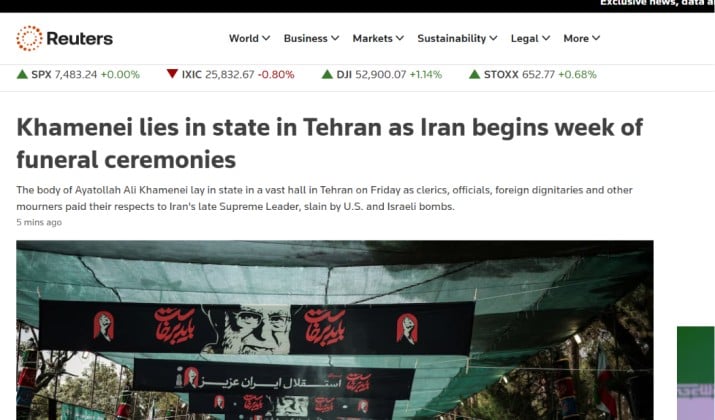
Global breaking news and financial coverage as a highly trusted wire service
Reuters has 2,500 journalists in 200 locations. They do not take advertising positions on stories. Their job is to file the facts first and fast, then let other outlets add analysis.
Why you can trust it: Reuters operates under the Thomson Reuters Trust Principles. Those principles demand integrity, independence, and freedom from bias. They issue corrections at the top of stories and keep a public corrections page.
Best for: Breaking news, markets, and international coverage. If you want raw facts without commentary, start here. This is one of the best news sources journalists cite daily.
Pricing: Reuters.com is free to read with a registration limit. Reuters Professional products for finance have paid tiers.
Get it here: Play Store | App Store
2. Associated Press (AP)

Independent, nonpartisan wire service used worldwide
AP is a non-profit cooperative owned by U.S. newspapers and broadcasters. No single billionaire or government runs it. AP reporters follow a strict stylebook that sets the standard for newsrooms everywhere.
Why you can trust it: AP publishes its standards publicly. You can read exactly how they verify sources, use anonymous sourcing, and handle corrections. When AP calls an election, other networks follow. That track record matters.
Best for: Fast, no-frills reporting on politics, disasters, sports, and global events. If you only follow one of the trusted news outlets for unbiased reporting, make it AP or Reuters.
Pricing: AP News is free. AP’s business services for newsrooms are paid.
Get it here: Play Store | App Store
Also read: 50 Best Conservative News Websites
3. BBC News and BBC World News

Most recognized and trusted international news organizations
The BBC is a public broadcaster funded by a UK license fee, not by ad clicks or political donors. That structure protects it from commercial pressure. BBC World reaches 450 million people weekly.
Why you can trust it: The BBC publishes an Editorial Guidelines document and an annual report on complaints and corrections. You can see how they balance stories and respond to criticism. Ofcom, the UK regulator, also audits their impartiality.
Best for: Global coverage outside the U.S. bubble. If you want international news channels and sites for global coverage, BBC World gives you correspondents on the ground, not just hot takes from a desk.
Pricing: Free in the UK. Outside the UK, BBC.com has no paywall. BBC Select and other streaming products are subscription based.
Get it here: App Store | Play Store
4. PBS NewsHour and NPR
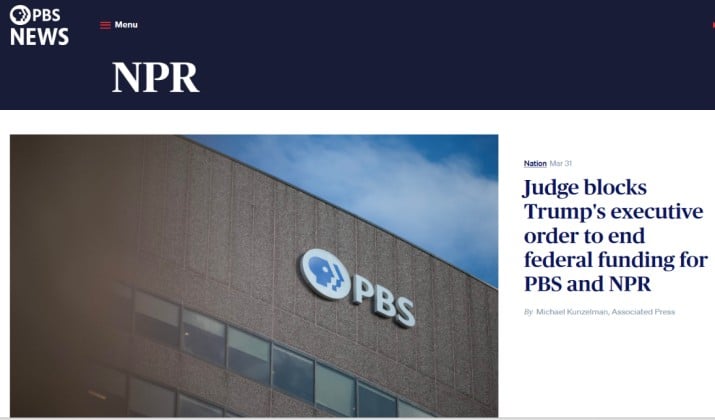
Trusted public broadcasting news sources
PBS and NPR run on a mix of government funding, member donations, and foundation grants. No corporate owner dictates coverage. Both separate their news divisions from fundraising teams.
Why you can trust it: NPR’s Ethics Handbook is public. PBS NewsHour posts transcripts and full interviews so you can judge context yourself. Both rank high in reliability on the media bias chart and reliability rankings for major outlets.
Best for: Deep interviews, policy explainers, and U.S. coverage that gives you breathing room. You get context, not just conflict.
Pricing: Free over-the-air and online. NPR+ and PBS Passport for on-demand video are donation-based.
Get it here: PBS App | Play Store | App Store
5. The New York Times
National outlet known for original reporting
The New York Times breaks stories that shape policy. The newsroom invests in investigative units, foreign bureaus, and legal teams that fight for public records. That work costs money, which is why you will hit a paywall.
Why you can trust it: The Times publishes detailed corrections and editor’s notes. It runs a “behind the story” feature that shows how reporters sourced the piece. You can read the standards handbook online to see how editors handle anonymous sources and conflicts.
Among reliable mainstream news organizations with high journalistic standards, The Times sets the pace for investigative work. It is one of the sources you can rely on for U.S. politics, business, and culture.
Best for: Deep investigations, national politics, and culture reporting that goes beyond the press release. If you want trusted news outlets for unbiased reporting on major U.S. policy, this is where you start.
Pricing: A New York Times All Access subscription gives you unlimited digital access to news, Games, Cooking, Audio, Wirecutter, and The Athletic. It frequently features introductory deals starting as low as $1 per week, billing at $4 every 4 weeks for your first 6 months, before jumping to $30 every 4 weeks.
App links: Web | App Store | Play Store
Read this too: 25 Most Popular Liberal News Websites
6. The Wall Street Journal
Business-focused newspaper with high reporting standards
WSJ splits news and opinion clearly. The news side covers markets, tech, and econ with a reputation for accuracy. The opinion pages lean conservative, but the newsroom operates independently.
Why you can trust it: WSJ reporters have to disclose conflicts and follow a strict code of conduct. Dow Jones, the parent company, audits stories for fairness. In surveys of investors and CEOs, WSJ consistently ranks as one of the most trustworthy sources for financial data.
Best for: Business, tech, and economic policy. If you track markets, you need WSJ in your feed.
Pricing: Digital subscription required for full access.
App links: App Store | Google Play
7. The Economist
Weekly analysis of world affairs and economics
The Economist does not print bylines. The idea is that the argument matters more than the writer’s ego. It publishes weekly, which means it skips the hourly outrage cycle and focuses on trends.
Why you can trust it: The Economist Group is majority owned by staff, the Cadbury, Rothschild, and other family interests, with no controlling stake. It prints a detailed “to our readers” section for major corrections. For analytical magazines and long-form journalism, it remains a benchmark.
Best for: Connecting dots across politics, business, and science. You read it to understand next quarter, not just next hour.
Pricing: Digital and print subscriptions available. Digital subscriptions start from $3.88/week and digital + print is available from $5.50/week.
App links: App Store | Google Play
8. The Guardian
International news source with strong global coverage
The Guardian is owned by the Scott Trust, which was set up to safeguard its editorial independence forever. Profits get reinvested into journalism, not paid out to shareholders.
Why you can trust it: The Guardian publishes a daily “Corrections and clarifications” column. Its reporting model is reader-funded, so it does not chase clicks for advertisers. It ranks high among best international news sources for accurate information, especially on climate and human rights.
Best for: International reporting, climate, and investigations. The live blogs during major events are fast and sourced.
Pricing: Free to read online. Voluntary contributions and subscriptions remove ads.
App links: App Store | Google Play
Another interesting read: 22 Best Independent News Aggregators
9. Al Jazeera
International news source with strong global coverage
Al Jazeera is funded by Qatar, which raises fair questions. Yet its English channel hires veteran journalists from BBC, CNN, and Reuters and follows a public code of ethics. It provides coverage in regions that Western outlets often ignore.
Why you can trust it: Media watchdogs like AllSides rate Al Jazeera English as “center” to “leans left” with high factual reporting. If you want international news channels and sites for global coverage of the Middle East, Africa, and Asia, you will find stories here that others miss.
Best for: Global South coverage, refugee crises, and geopolitics. Pair it with BBC or Reuters to balance perspectives.
Pricing: Free online and on YouTube. No paywall.
App links: App Store | Google Play
10. Bloomberg
Financial data and news with strict standards
Bloomberg started as a terminal for traders. Accuracy is existential for them. A wrong number moves markets. So their newsroom treats verification like a religion.
Why you can trust it: Bloomberg’s style guide bans anonymous pejoratives and demands two sources for sensitive stories. They separate Bloomberg News from Bloomberg Opinion. When you need wire services and global agencies as reliable news sources for business, Bloomberg is top tier.
Best for: Markets, tech, and anything that touches money. Their podcasts also explain complex econ in plain English.
Pricing: Limited free articles per month. Full digital access is subscription based.
App links: App Store | Google Play
11. The Washington Post
National outlet known for original reporting
The Washington Post breaks major stories that drive policy changes in D.C. and beyond. The newsroom puts serious money into investigative teams, foreign bureaus, and legal battles for public records. That is why you run into a paywall.
Why you can trust it: The Post publishes a Fact Checker column that calls out false claims from both parties. You will find editor’s notes and corrections linked at the top of updated stories. Its newsroom operates under strict ethics guidelines that separate reporting from opinion.
Among the most reliable news sources for U.S. politics and accountability journalism, The Post consistently ranks high with journalists and researchers.
Best for: Investigative reporting, national politics, and deep coverage of federal agencies. If you want trusted news outlets for unbiased reporting on what the government is actually doing, add this to your feed.
Pricing: Digital subscriptions include introductory and student rates.
App links: App Store | Google Play
12. Foreign Affairs Magazine
Expert analysis used by policymakers
Published by the Council on Foreign Relations, Foreign Affairs asks academics, diplomats, and former officials to write. Every piece goes through peer review. You are not getting hot takes. You are getting arguments that get read in government offices.
Why you can trust it: The journal prints dissent and responses. If an author gets a fact wrong, scholars write in and Foreign Affairs prints the exchange. Among analytical magazines and long-form journalism, it is considered authoritative by journalists and researchers.
Best for: Geopolitics, trade, and security. Read it when you want to know what experts are debating, not just what happened.
Pricing: Paywalled. Print and digital subscriptions offered.
App links: Play Store | App Store
Which Source Should You Start With Today?
Start with Reuters or AP. They move fast and keep opinion out. Then add BBC World or NPR for human stories and context. If you only read three, that trio covers most of your bases and keeps you anchored to reliable sources of news.
News is not about finding a perfect outlet. Every newsroom has blind spots. You build reliability by cross-checking. Read a story in WSJ, then see how Reuters filed it, then check what The Guardian added. When all three align on the facts, you can trust you have the real picture.
Your attention is valuable. Spend it on trusted news outlets for unbiased reporting and you will make better decisions at work, at home, and at the ballot box. You now have a list of unbiased news sources to follow that researchers and editors use every day. Go update your bookmarks.