Choosing the right browser for Windows 10 is no longer just about speed. With Windows 10 officially reaching end-of-support on October 14, 2025, your browser has become your first line of defense. It is your security layer, your AI assistant, your workspace, and your privacy shield.
While Google Chrome still leads the market, the browser race has never been closer. Microsoft Edge has transformed with built-in AI, Firefox has become the strongest anti-tracking alternative, and new contenders like Arc and DuckDuckGo have changed what we expect from a browser.
Here is a fully updated list of the best browsers for Windows 10 you must definitely check out.
Best Browsers for Windows 10
1. Google Chrome
There is a reason Chrome holds over 65% of the global market. No other browser matches its combination of speed, compatibility, and ecosystem.
The latest version of Chrome is very different from the RAM-hungry browser of the past. Memory Saver 2.0 now automatically hibernates inactive tabs and frees up to 40% more memory, and Energy Saver extends laptop battery life.
Chrome’s biggest strength is integration. If you use Gmail, Google Drive, YouTube, Google Meet, and Android, Chrome syncs everything instantly, including passkeys and payment methods.
Security has been overhauled with real-time Safe Browsing powered by AI, automatic Safety Check that revokes permissions from unused sites, and full passkey support.
The Chrome Web Store with over 100,000 extensions still makes it the most extensible browser. For pure performance, stability, and extension support, Chrome remains number one.
Also read: Best Google Chrome Alternatives
2. Mozilla Firefox
Firefox is the only major browser not built on Chromium. It runs on Mozilla’s own Quantum engine, which makes it a true independent alternative.
In the last two years, Firefox has had a massive performance overhaul. It now uses significantly less RAM, has faster page loads with multi-process tabs, and excellent power efficiency on laptops.
Privacy is where Firefox wins. Enhanced Tracking Protection is set to Strict by default, blocking social media trackers, cross-site cookies, fingerprinters, and cryptominers.
Multi-Account Containers are unique to Firefox. You can keep Facebook, Google, work, and personal shopping in completely isolated color-coded tabs.
It includes a built-in offline translator, a free password manager, Firefox Relay for email masking, and optional Mozilla VPN.
With thousands of themes and add-ons, it is the most user-controlled browser you can get.
3. Microsoft Edge
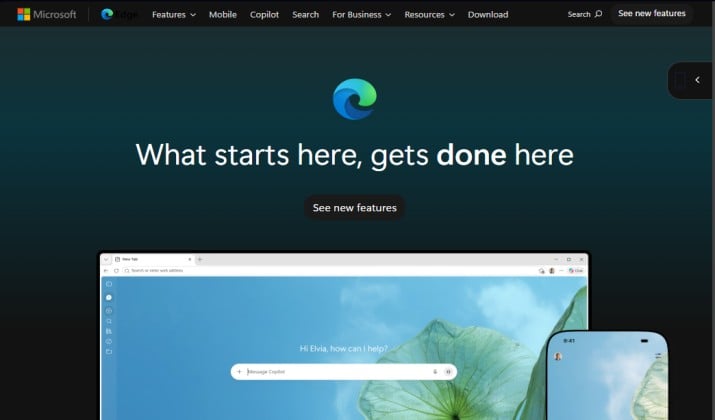
Edge is no longer just the default browser that comes with Windows. It is now arguably the best browser for Windows 10.
Since it is built on Chromium, every Chrome extension works on Edge, but Edge is lighter, better optimized for Windows, and uses less battery.
The latest version is defined by AI. Copilot is built directly into the sidebar. You can summarize a 20-page PDF, draft an email from a webpage, generate images, and ask questions about the video you are watching without leaving the tab.
Productivity features include Vertical Tabs, Tab Groups, Workspaces for organizing projects, Split Screen, and Efficiency Mode.
Security is enterprise-grade with Microsoft Defender SmartScreen, Password Monitor that alerts you to leaked passwords, and Kids Mode that filters content by age.
If you want a browser that feels native to Windows, this is it.
Read this too: Best Browsers for Windows 11
4. Opera
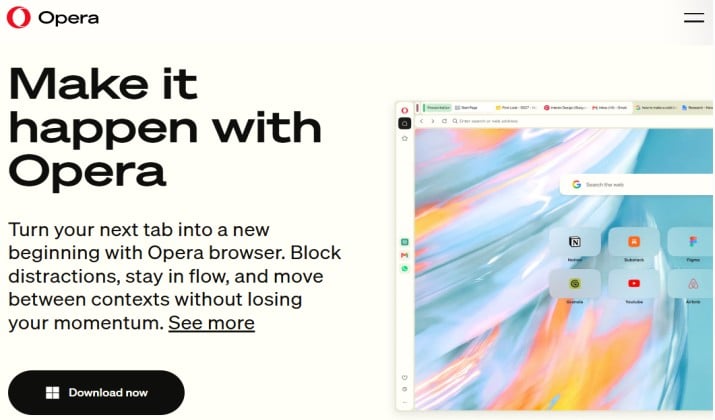
Opera has quietly become one of the most innovative browsers. It comes out of the box with what other browsers need extensions for: a free, unlimited VPN, a native ad blocker, and a tracker blocker.
Its sidebar is built for multitaskers. You can pin Messenger, WhatsApp, Telegram, Instagram, Discord, and Spotify and chat while you browse without switching tabs.
Opera features Aria, its own AI assistant powered by OpenAI and Google, for search, writing, and coding help.
Workspaces let you create separate spaces for work, study, gaming, and personal browsing, each with its own tabs and history.
It also has a battery saver, snapshot tool, and Flow to instantly share files between your PC and phone.
5. Opera GX
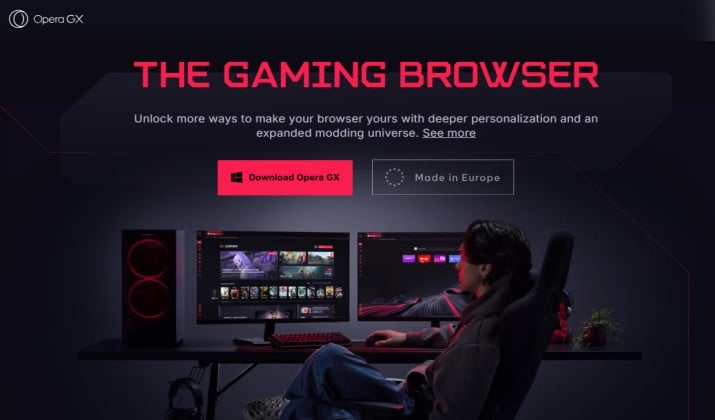
Opera GX is a special version of Opera built for gamers and anyone who wants full control over their PC resources.
Its killer feature is GX Control. You can set a hard limit on how much RAM, CPU, and network bandwidth the browser is allowed to use, so your game or stream never lags.
It is packed with gamer-centric features: Twitch integration with live streamer notifications in the sidebar, Discord and Spotify built-in, and GX Cleaner to remove junk files.
GX Mods let you completely change the look and sound of the browser with custom wallpapers, shaders, and keyboard sounds.
Like regular Opera, it includes a free VPN, ad blocker, and Aria AI. If you game on your Windows 10 PC, GX is designed for you.
Explore: Best Browsers for Windows XP
6. Vivaldi
Vivaldi was created by the former CEO of Opera and its mission is simple: give the user full control.
It is the most customizable browser ever built. You can move tabs to any side of the window, stack tabs into two-level groups, tile multiple tabs into a split-screen grid, create custom mouse gestures, and automate repetitive actions with Command Chains.
It comes with a full suite of built-in tools so you don’t need extensions: an email client, calendar, RSS reader, notes manager with full-page screenshots, translator, and screenshot capture.
Vivaldi has a powerful ad and tracker blocker that blocks YouTube ads by default.
Most importantly, Vivaldi does not track you. It doesn’t collect your browsing data, doesn’t have a tracking profile, and stores sync data in encrypted form.
For power users who want their browser exactly their way, there is nothing else like it.
7. Brave Browser
Brave is the fastest browser out of the box because it does the most blocking. It blocks all ads, trackers, third-party cookies, and fingerprinting attempts by default, which makes most websites load 3 to 6 times faster than Chrome.
It is built on Chromium, so all Chrome extensions are compatible and importing bookmarks takes one click. B
Brave Shields give you granular control over blocking on each site. Right now, Brave’s standout is Leo, its privacy-focused AI assistant. Unlike other AIs, Leo can summarize pages, analyze documents, and answer questions without sending your data to a server.
It also includes Brave Wallet for managing crypto and NFTs, and Brave Search as a private search alternative.
If you want Chrome’s compatibility with no Google tracking, Brave is the best switch.
8. Zen Browser
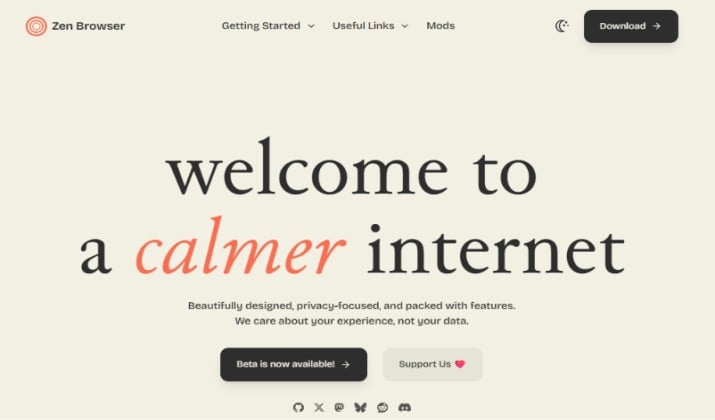
Zen Browser is the breakout open-source browser this year. Built on Firefox, it is designed for users who want a beautiful, minimal, and highly customizable experience without sacrificing privacy or performance.
At its core is a polished vertical tab bar, much cleaner than traditional horizontal tabs, with Workspaces that let you separate your entire browsing life such as Work, Study, and Personal with its own tabs, history, and containers.
Its Split View is incredibly useful, allowing you to view two or more tabs side-by-side in the same window without juggling windows.
Its superpower is the Mods system. With one click you can install community-made mods to add features like compact mode, custom tab animations, floating search, and advanced theming with no coding needed.
It is significantly faster and more memory-efficient than most Chromium browsers on Windows 10, supports all Firefox add-ons, blocks trackers by default, and is actively developed by the community.
If you want a modern, fast, and deeply personal browser, Zen is the top recommendation right now.
9. Tor Browser
When anonymity is the goal, Tor Browser is non-negotiable.
It works by routing your connection through three encrypted relays run by volunteers around the world, with over 7,000 relays currently active. This triple-encryption hides your IP, location, and browsing activity from your ISP, government, and websites.
Tor comes hardened for privacy. It includes NoScript, HTTPS-Only Mode, and automatically clears all cookies when you close it.
Its default search engine is DuckDuckGo. It is the only browser that can access .onion sites on the dark web.
The trade-off is speed. Because of the relay network, browsing is noticeably slower than Chrome or Edge.
You wouldn’t use it for YouTube or gaming, but for journalists, activists, or anyone needing to bypass censorship, it is essential.
10. DuckDuckGo
The company behind the private search engine now offers a full desktop browser for Windows, and it is excellent for everyday private browsing.
DuckDuckGo Browser is extremely lightweight and uses Windows’ own WebView2 engine combined with DuckDuckGo’s world-class tracker blocking.
It blocks hidden trackers from Microsoft, Google, and Facebook before they even load. The Fire Button in the toolbar burns all tabs and browsing data in one second.
Duck Player lets you watch YouTube privately with no targeted ads and no history. Email Protection gives you free @duck.com addresses that strip trackers from emails.
It also forces HTTPS on sites and shows a Privacy Grade for each website you visit.
If you want a simple, fast browser that is private by default with no complicated settings, this is it.
11. Maxthon Cloud
Maxthon has been around since 2002 and now has over 670 million users. Its current version is a dual-engine browser using both Chromium and Trident for maximum compatibility with old and new websites. Its focus in 2026 is cloud and blockchain.
It offers Maxthon Cloud services that sync tabs, bookmarks, notes, passwords, and even files across Windows, Android, and iOS. It includes a resource sniffer to download any video, audio, or image from any page with one click, a split-screen mode, and a built-in notepad. For Web3 users, it includes VBox, a local blockchain identity manager, and support for NBdomain for decentralized sites. It also has a free ad blocker, night mode, and extensive cloud backup.
12. Chromium
Chromium is more than just a browser, it is the open-source project that Chrome, Edge, Opera, and Brave are all built on. Using Chromium directly is for purists, developers, and privacy enthusiasts.
Unlike Chrome, Chromium has no Google services baked in. It has no automatic crash reports to Google, no Google Sync by default, no proprietary codecs, and no extra tracking.
You get a clean, minimal browser and you add only what you need via API keys.
You can still manually install most Chrome extensions. It is updated multiple times a day by the open-source community, so it is less stable than Chrome, but it is the most transparent version of a Chromium browser.
If you want to see how Chrome works under the hood or build your own browser, start here.
13. Aloha Browser
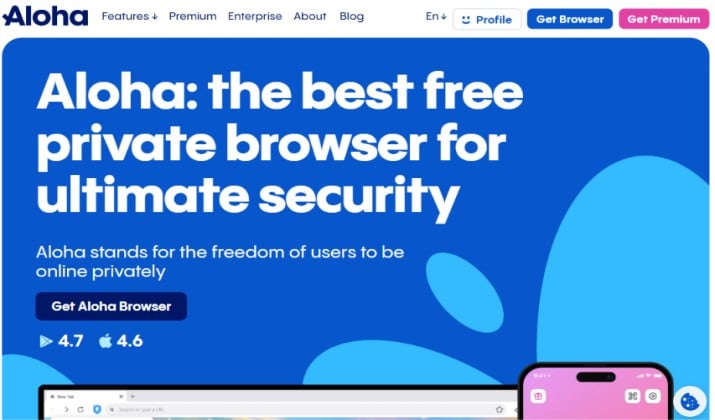
Aloha started as a popular private mobile browser and its Windows version is now fully mature.
Its main selling point is a truly free, unlimited VPN built-in with no data cap, no registration, and multiple country options, something Opera also offers but Aloha does with faster speeds.
Privacy is its core philosophy. Aloha blocks ads and trackers, has no user tracking, and offers private tabs that can be locked with biometrics and self-destruct.
It includes a full-featured private file manager where you can download and organize videos and music, plus a built-in media player and VR player for 360-degree videos.
It also includes a crypto wallet and supports grouping tabs.
If a free VPN inside the browser is your top requirement, Aloha leads the pack.
14. Floorp
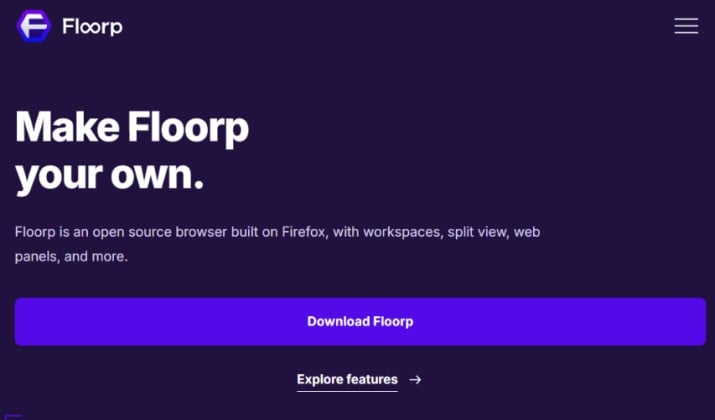
Floorp is a modern, actively maintained Firefox-based browser from Japan that has become the best replacement for discontinued browsers like Comodo IceDragon. It takes Firefox and makes it more flexible and private.
It keeps full compatibility with all Firefox add-ons but adds features Firefox doesn’t have: vertical tabs, multi-row tabs, flexible sidebars, Workspaces, and deep CSS customization for the interface.
Floorp has enhanced tracking protection, includes its own notes and password manager, and lets you create different browsing profiles easily.
It is open-source, receives regular security updates from Firefox’s upstream, and does not collect any telemetry.
For users who love Firefox’s engine but want more customization like Vivaldi, Floorp is the perfect middle ground.
15. Falkon
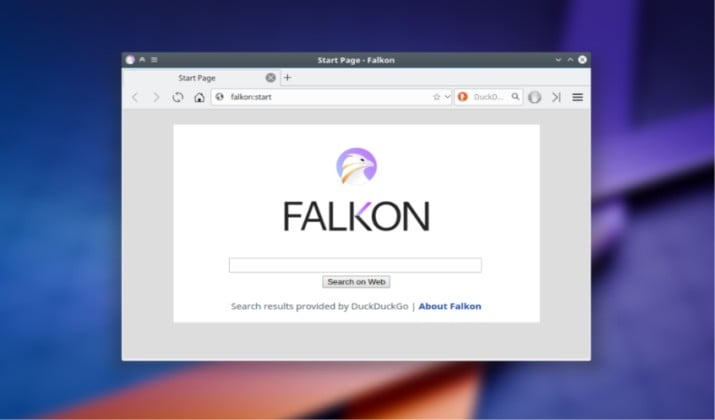
Formerly known as QupZilla, Falkon is part of the KDE desktop environment.
It is designed to be extremely lightweight while still being modern. It uses QtWebEngine and runs smoothly on older Windows 10 laptops with 4GB of RAM or less where Chrome would struggle.
Despite its small footprint, it includes all essential features: built-in AdBlock that blocks YouTube ads, speed dial, full history and bookmarks, DuckDuckGo as the default private search, and a session manager that can restore all your tabs after a crash.
It also supports extensions and custom themes.
If you need to revive an old Windows 10 PC or you just want a browser that opens in under a second and uses minimal battery, Falkon is an excellent, actively maintained choice.
So Which is the Best Browser for Windows 10?
Your ideal browser depends on what you value most. For the best all-around experience and extension library, stick with Google Chrome.
With AI productivity deeply integrated into Windows, Microsoft Edge is now ahead. For privacy without setup, choose Brave or DuckDuckGo, and for absolute anonymity, use Tor.
If you love tinkering and want total control, Vivaldi, Floorp, and Arc are the most powerful options, while Opera and Opera GX are best for built-in messaging and gaming.
Since Windows 10 itself will no longer receive security patches, keeping a browser that updates every week and blocks malware, phishing, and trackers by default is the single most important thing you can do to stay safe.
Enjoyed the post?