Signal sets a high bar for private chat. It gives you end-to-end encryption by default, minimal data collection, and a clean experience. But you might want something different, like chatting without sharing your phone number or a fully decentralised option.
You have choices. This list focuses on the best private messaging apps for Android and iOS that you can download today and actually use with friends, family, or your team. You will find open-source encrypted messaging apps and Signal alternatives for maximum anonymity.
Signal Alternatives Comparison Table
Here’s a quick look at how the top Signal alternatives compare across the features that matter most.
| App | End-to-End Encryption | Open Source | Phone Number Required | Voice & Video Calls | Best For |
|---|---|---|---|---|---|
| Session | Yes | Yes | No | Voice calls | Maximum anonymity and metadata protection |
| Threema | Yes | Partially | No | Voice & video | Privacy-conscious individuals and businesses |
| SimpleX Chat | Yes | Yes | No | Voice & video | Maximum privacy without identifiers |
| Yes | Partial | Yes | Voice & video | Everyday communication and reach | |
| iMessage | Yes* | No | Apple ID / phone number | Voice & video via FaceTime | Apple ecosystem users |
| Telegram | Secret Chats only | Partial | Yes | Voice & video | Large communities, channels and features |
| Wire | Yes | Yes | No | Voice & video | Privacy-focused business collaboration |
| Matrix | Yes | Yes | No | Voice & video** | Decentralized communication and self-hosting |
| Viber | Yes | No | Yes | Voice & video | Personal messaging and calling |
| Google Messages | Yes, for supported RCS chats | No | Yes | No native encrypted calling | Android texting and RCS |
What Makes a Great Signal Replacement?
Before we jump to the apps, here is what you should look for:
- Secure chat apps with end-to-end encryption by default, not as an optional mode
- Control of metadata. The app does not log who you talk to and when
- Option to sign up without giving away too much personal info
- Encrypted voice and video calls plus modern extras like disappearing messages
Keep this checklist in mind while you read. It will help you decide fast.
1. Session
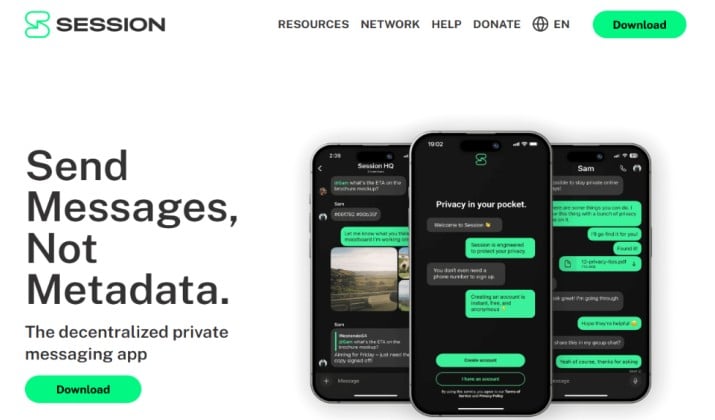
Session feels closest to Signal if you hate phone number requirements. You create an ID, not an account with a phone number or email. Session routes your messages through a decentralized network of nodes, so it hides your IP too.
You get one to one chats, closed groups, and open community groups. You also get disappearing messages and you can send voice notes. If you want metadata-free or metadata-light messaging apps, Session deserves your attention.
Why you will like it:
- No phone number needed. You generate a Session ID in seconds
- Onion routing protects your location and network info
- Open source clients and audited encryption
App links: Play Store | App Store
Pricing: Session is free for personal use.
2. Threema

Threema comes from Switzerland and it built its reputation on privacy law plus strong tech. Buy the app once and you own it. You do not need to link a phone number or email. Threema gives you a random Threema ID after install.
You get private messaging apps for Android and iPhone with encrypted calls, group chats, polls, file sharing, and a desktop app that works without keeping your phone online.
Companies love Threema Work, but the personal version already gives you a lot.
Why you will like it:
- You can use it completely anonymously with ID only
- Swiss privacy protections and local data storage options
- All messages and calls use end-to-end encryption
App links: Official Site | Play Store | App Store
Pricing: Threema pricing for personal use costs a one-time fee of $6.00.For businesses, Threema Work offers the Core plan at $3.00 or the Professional plan at $5.00 per user, per month (billed annually).
Also read: Threema vs Signal
3. SimpleX Chat
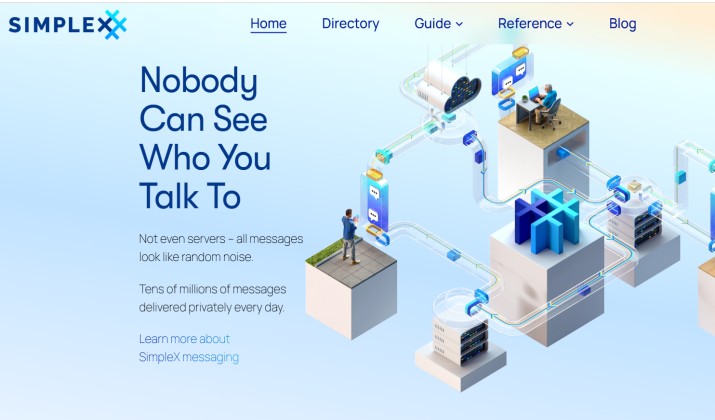
SimpleX Chat takes privacy further than most Signal alternative secure messaging apps.
It does not have user IDs at all. Not even random IDs. You create separate connections with each person, so no one can build a graph of who you know.
SimpleX is one of the first post-quantum secure messaging apps for everyday users. It includes a new encryption design that aims to stay safe even when powerful quantum computers arrive.
You also get full open-source code and self hosting for your own server.
Why you will like it:
- Zero identifiers. You leave almost no global trace
- Privacy-focused chat apps with username-only signup are good, SimpleX goes one step beyond that
- You get secure group chat apps with disappearing messages and full file sharing
App links: Play Store | App Store
Pricing: Free and open source. Donations support development.
4. WhatsApp
WhatsApp uses the same Signal protocol for encryption. You get end-to-end encrypted messaging apps with billions of users, so you do not need to convince people to install something new.
You get encrypted voice and video calls, group calls, Communities, disappearing messages, and chat lock. For many people, WhatsApp counts as the most practical private messaging apps for Android and iPhone.
The tradeoff is metadata. WhatsApp collects more metadata than Signal because it sits inside Meta. If you want secure messaging apps with minimal metadata, this is not your top pick. If you want reach and ease, it works.
App links: Play Store | App Store
Pricing: Free for personal use. WhatsApp Business has separate pricing.
5. iMessage
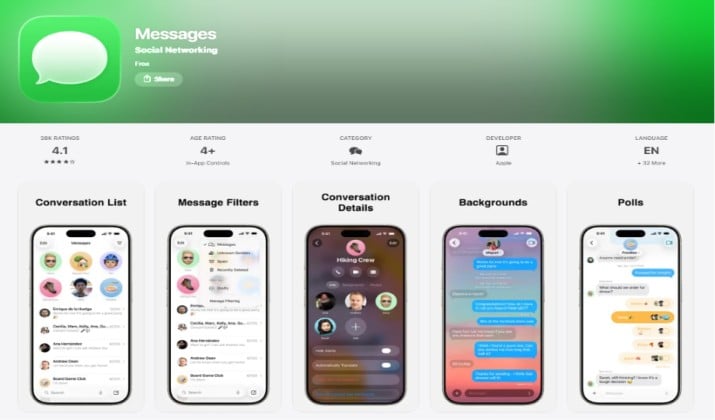
If you live in the Apple world, iMessage gives you strong encryption without extra installs. Apple encrypts messages between iPhones with end-to-end encryption and you get features like edit, unsend, and disappearing voice messages.
You get encrypted voice and video calls through FaceTime, which Apple also encrypts end to end. You miss Android compatibility though. Messages to Android fall back to SMS or RCS and lose that protection unless both sides use an encrypted RCS implementation.
iMessage comes preinstalled on iOS and macOS. It is not available for Android.
Pricing: Free with Apple devices.
Read this too: Best Secure Messaging Apps for Android
6. Telegram
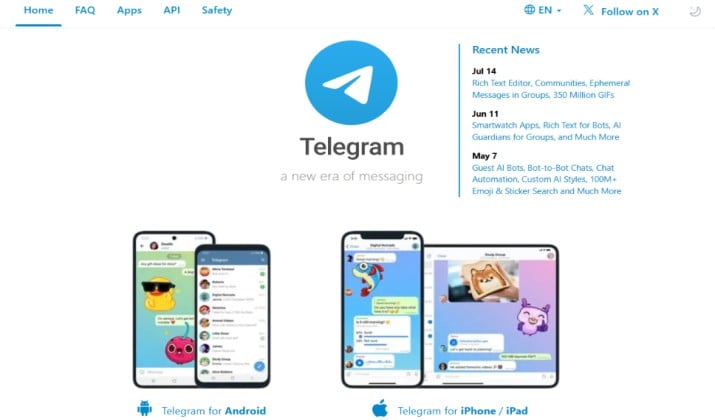
Telegram feels fast and packed with features. You get huge groups, public channels, bots, themes, and cloud sync across all your devices. Many people look at it when they search for best encrypted messaging apps like Signal.
You should know one detail. Regular Telegram chats use client to server encryption, not end-to-end by default. You need to start a Secret Chat to get end-to-end encrypted messaging apps level protection with self destruct timers. Secret Chats do not sync to desktop.
If you want features first and you will use Secret Chats for sensitive talks, Telegram fits. If you want everything encrypted by default, pick another name from this list.
App links: Play Store | App Store
Pricing: Telegram is free to download and use, but optional Telegram Premium costs $4.99 per month or $35.99 per year.
7. Wire
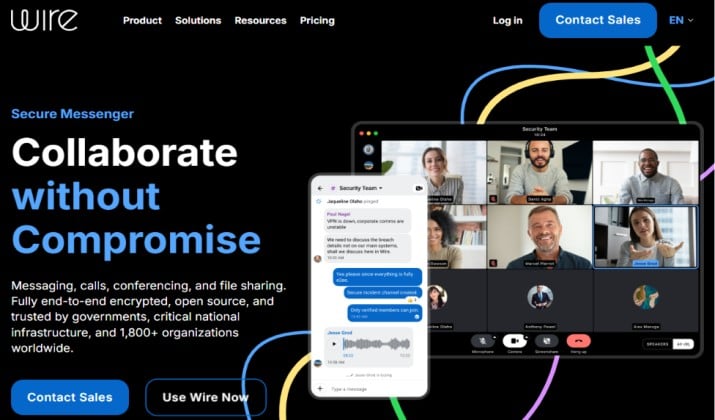
Wire started as a privacy friendly alternative for teams. You get open-source secure messenger apps with a clean design, guest rooms, and strong compliance options. Wire gives you end-to-end encryption for messages, calls, and file sharing.
You can sign up with email and Wire lets you keep work and personal chats separate. Wire also offers post quantum protection for newer clients.
If you collaborate with a small team and you care about privacy and accountability, Wire balances both.
App links: Play Store | App Store
Pricing: Wire offers a free tier for up to 5 users. Paid Enterprise plans start around €7.45 per user/month (billed annually). Enterprise plans come with custom pricing.
8. Matrix
Matrix is not one app. It is an open protocol. You pick a homeserver and a client, and you still talk to everyone else on Matrix. This setup removes single company control and you can even self host.
If you explore open-source secure messenger apps, Matrix gives you flexibility. You control where your data lives and you can bridge to other chat systems. Matrix supports end-to-end encryption and disappearing messages in encrypted rooms.
Pricing: Protocol is free and open source. Hosting costs depend on your provider.
9. Viber
Viber gives you a simple swap from regular calling apps. You get secure chat apps with end-to-end encryption, encrypted voice and video calls, and fun extras like stickers and Communities. Viber encrypts all 1 to 1 calls and messages by default.
You verify contacts with a color code. Green means trusted, gray means you still need to verify. You also get disappearing messages in any chat.
App links: Play Store | App Store
Pricing: Free for personal use. Viber Out credits for calls to non Viber numbers.
Another interesting read: Best Private Messaging Apps Without Phone Number
10. Google Messages
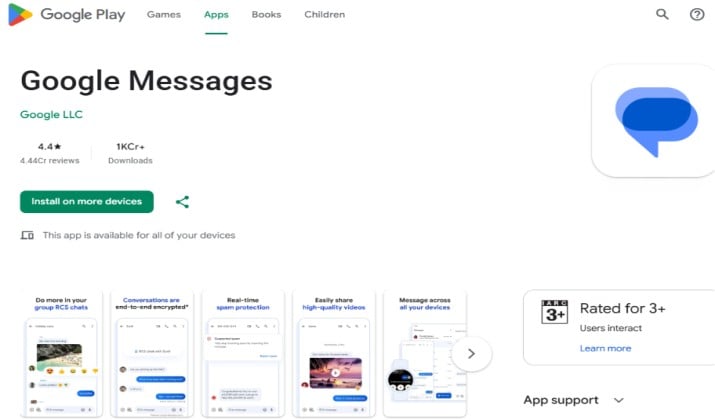
Google Messages brings encryption to regular texting on Android when both sides enable RCS. You get end-to-end encryption for 1 to 1 RCS chats and for group RCS chats in many regions. You also get typing indicators, high quality media, and spam protection.
It does not replace Signal for maximum privacy because RCS encryption depends on carrier and device support, and Google handles key directory. But if your contacts will not install a new app, this improves your baseline a lot.
App links: Play Store
Pricing: Free
My Pick
If you’re looking for the best Signal alternatives, Session deserves the top spot.
It combines excellent privacy, open source development, minimal metadata collection, decentralized infrastructure, and a phone number free sign up process in one package. Unlike many competitors, it focuses on protecting both your messages and your identity.
SimpleX Chat follows closely behind and is an outstanding option if you want an even more anonymous communication model.
For users who prioritize convenience over maximum privacy, WhatsApp remains the easiest switch because of its massive user base, while Element stands out for professional collaboration.
For most people who want secure communication without compromising personal privacy, Session delivers the strongest overall experience.
It strikes the right balance between security, usability, and anonymity, making it the messaging app we’d confidently recommend over the rest.